Practical tips
What to know before going to Nusa Penida: fees, cash, roads
· 6 min read
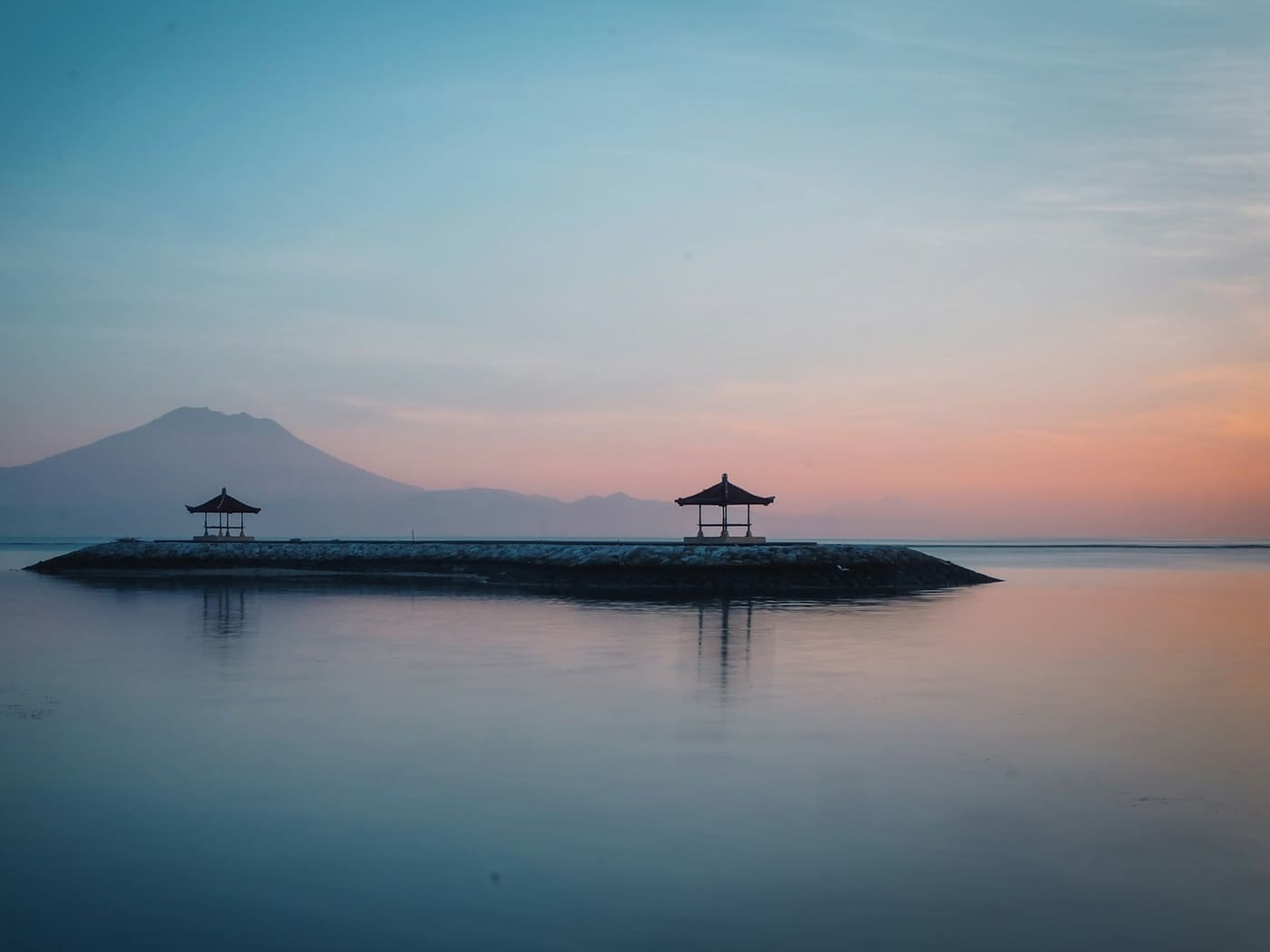
Nusa Penida is only a short boat ride from Bali, but it feels like a different place. Life is slower, infrastructure is thinner and the landscape is wilder, which is exactly why people go. A little preparation goes a long way: most of the small frustrations visitors run into — an empty ATM, a soaked bag, a scooter they should not have rented — are easy to avoid if you know about them before you board in Sanur. None of it is complicated, and none of it should put you off. Think of this as the short briefing a friend who has been would give you over a drink the night before: money, levies, roads, the sea, what to pack and how to behave at temples.
Money and levies
Bring cash. There are only a handful of ATMs on Nusa Penida, mostly around the harbour villages, and they can be empty or out of order just when you need them. Many warungs, drivers, parking attendants and small guesthouses only take cash, so withdraw enough rupiah in Bali before you leave : enough for your driver, meals, parking at the viewpoints and a margin. On top of that come two levies and, since September 2026, entry tickets. The Bali tourist levy (IDR 150,000 per foreign visitor) is paid once per visit to the province, best online before you arrive. Klungkung regency, which governs Nusa Penida, charges foreign visitors an island levy of IDR 25,000 per adult and IDR 15,000 per child aged 4 to 13, once on arrival, and the main sights, such as Kelingking, Broken Beach, Angel’s Billabong and Crystal Bay, now charge a ticket of around IDR 25,000 each. The new system is meant to be cashless, with QR codes paid online or by card, but it is still bedding in: carry a card and some small notes, and check locally. None of this is included in the boat ticket.
| What | How much | How to pay |
|---|---|---|
| Bali tourist levy | IDR 150,000 per person | Online, once per visit to Bali |
| Nusa Penida island levy (foreign visitors) | IDR 25,000 per adult, IDR 15,000 per child aged 4 to 13 | Once, on arrival; card or QR code, some cash as a backup |
| Main sights (Kelingking, Crystal Bay and others) | Around IDR 25,000 per adult each, since September 2026 | At the entrance or online; check locally |
| Fast boat Sanur ↔ Nusa Penida | €16 one way, €31 return | Online by card on this site |
Roads, scooters and the sea
Roads on Nusa Penida have improved, but many are still narrow, steep and broken in places, with gravel on the bends and trucks coming the other way. Distances that look short on a map take a long time, so plan fewer stops than you think. Renting a scooter is cheap and tempting; only do it if you already ride confidently, always wear a helmet, and check that your travel insurance covers motorbikes. Otherwise a car with a driver is safer and far less tiring. The sea matters too. The dry season, roughly April to October, usually brings calmer crossings and clearer water. In the wet season the swell can be bigger and the crossing bumpier, and on some days boats are delayed or cancelled. When you land, the boat may stop close to the shore and you step down into shallow water rather than onto a dry pier, depending on the tide. Our guide to the best time to visit Nusa Penida goes through the seasons month by month.
What to pack and how to dress
- Sandals or water shoes for boarding, since you may wade out from the beach (our Sanur Harbour guide explains why), plus trainers with real grip for the cliff paths. Flip-flops are a bad idea on the Kelingking or Diamond Beach stairs.
- A dry bag or a few zip-lock bags for your phone, passport and cash, in case of spray on the crossing or a wet landing.
- Sunscreen, a hat and plenty of water: there is little shade at the viewpoints and the climbs back up are hot.
- A light layer and medication if you are prone to seasickness. Luggage on the boat is one bag plus one small carry-on per person.
- Offline maps and a power bank. Mobile data works in most villages but can be patchy along the cliffs, and a long day of photos drains a phone fast. Download the island map before you leave Bali so your route still works without signal.
- Something to cover shoulders and knees for temples. Visitors usually wear a sarong and sash, often lent or rented at the entrance; women who are menstruating are traditionally asked not to enter. Never climb on shrines or step over offerings on the ground.
If your crossing is cancelled because of the weather, you choose another departure or a full refund. Outside weather cancellations, you can cancel for free up to 48 hours before departure.
Frequently asked questions
- Can I pay by card on Nusa Penida?
- Sometimes, in larger hotels and some restaurants, and since September 2026 the island levy and the tickets at the main sights are meant to be paid by card or QR code. Drivers, warungs and parking still want cash, so withdraw rupiah in Bali before the crossing.
- Do I really have to pay two levies?
- Yes, for foreign visitors. The Bali tourist levy (IDR 150,000, paid online) covers your visit to the province, and Nusa Penida charges its own island levy of IDR 25,000 per adult (IDR 15,000 per child aged 4 to 13) on arrival. Since September 2026 the main sights also charge around IDR 25,000 each. None of this is part of the boat fare.
- When is the best time of year to go?
- The dry season, roughly April to October, usually gives the calmest sea and clearest water. The wet season is greener and quieter, but expect bumpier crossings and the occasional weather cancellation. If your dates are flexible, keep a spare day at the end of your stay in case a crossing is moved.
- Will I get wet getting on or off the boat?
- Possibly your feet and ankles, depending on the tide and where the boat stops. Wear sandals, roll up your trousers and keep valuables in a dry bag.
- How much luggage can I bring on the fast boat?
- One bag plus one small carry-on per traveller. Surfboards and diving gear are possible on request — mention them when you book or write to contact@transfernusapenida.com.